Technology & Manufacturing
How GYURZA vehicles are protected, what can be integrated, and how UKR ARMO TECH builds them — from needs analysis to field service.
Protection and Technology
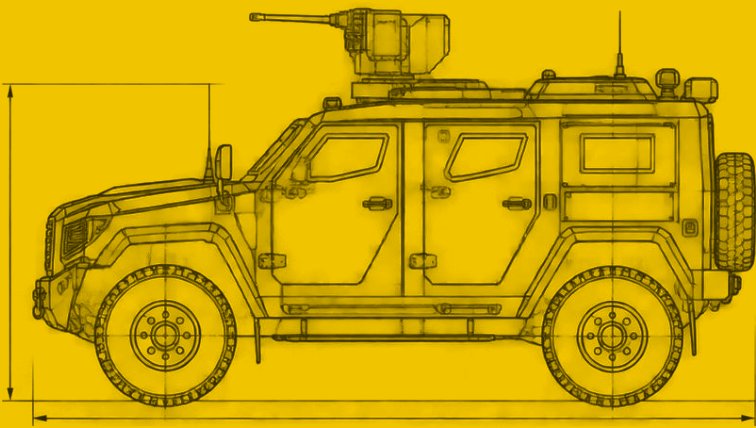
When designing armored vehicles, UKR ARMO TECH works to four baseline requirements: protection of people, mobility, integration of special equipment, and maintainability in real operating conditions.
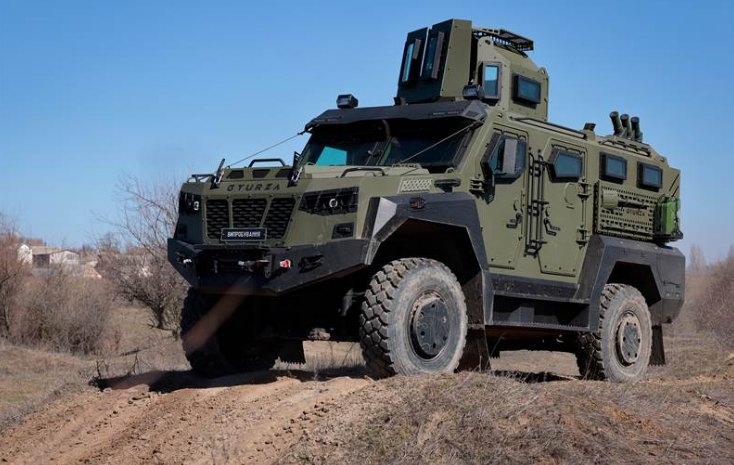
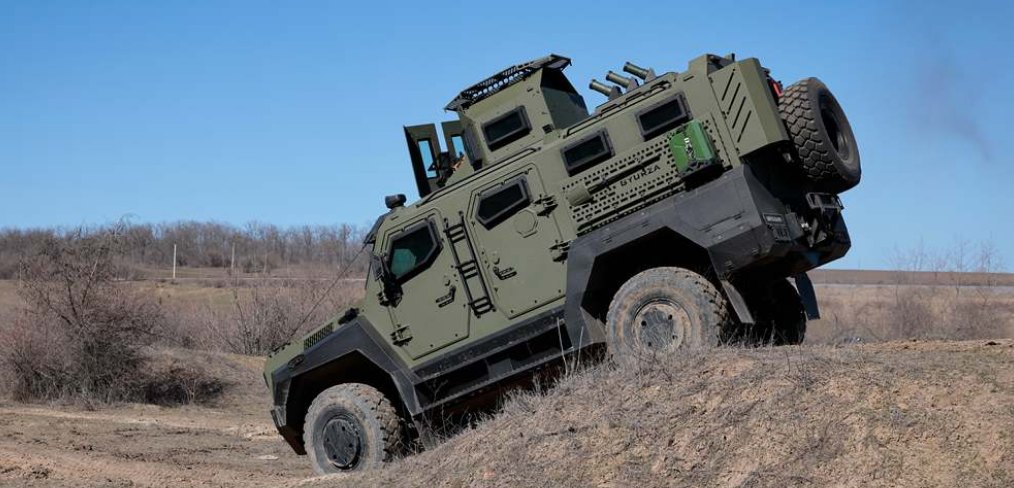
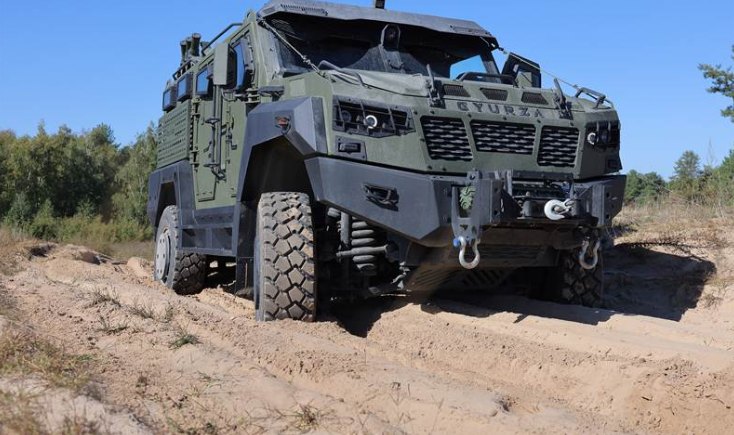
Depending on model and configuration, UAT.GYURZA vehicles can receive ballistic and anti-fragmentation protection, anti-mine design solutions, EW systems, night vision and automatic fire suppression, run-flat tires, central tire inflation, counter-drone equipment and weapon stations.
Exact protection levels and equipment depend on the model and its configuration. This lets the platform be adapted to a specific unit's missions.
Four baseline requirements
Protection and equipment options
The armored capsule protects the crew from bullets and fragments; GYURZA 01 adds an inner spall liner.
Double V-shaped floor (01), V-shaped hull and mine-protected seats with five-point harnesses (02), MRAP-class design (02, 03).
Electronic warfare integration has been part of the design from the very start.
Drone detection and extra protective elements in response to the spread of FPV drones.
Night vision systems fitted depending on configuration.
An automatic fire suppression system protects the crew and vehicle.
The vehicle can keep moving on damaged tires and adjust pressure to the terrain.
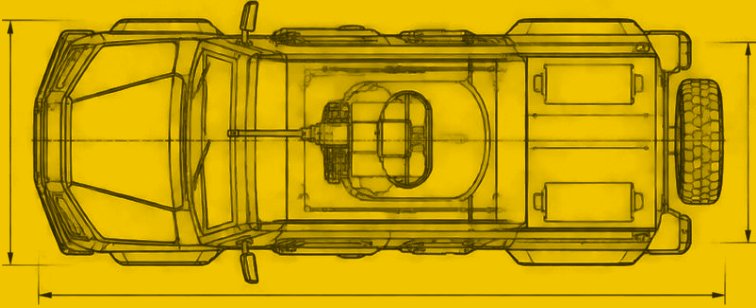
Provision for armament; GYURZA-02 can carry a remote weapon station.
Available options depend on model and configuration.
Use cases
The GYURZA family is built not around one universal vehicle but around different ways armored vehicles are used.
Depending on model and configuration, the vehicles handle protected personnel transport, fire support, patrol, reconnaissance, tactical logistics, ammunition delivery, and the transport of UAVs and EW systems. The platforms can also be adapted to specialized military and special-unit missions.
Which model for which mission
| UAT GYURZA 01 | UAT.GYURZA-02 | UAT.GYURZA-03 | |
|---|---|---|---|
| Personnel transport | |||
| Fire support | |||
| Patrol | |||
| Reconnaissance | |||
| Tactical logistics | |||
| Ammunition and equipment transport | |||
| Mobile unit support | |||
| Combat missions | |||
| Special missions |
Based on the stated mission of each model.
Full-Cycle Manufacturing
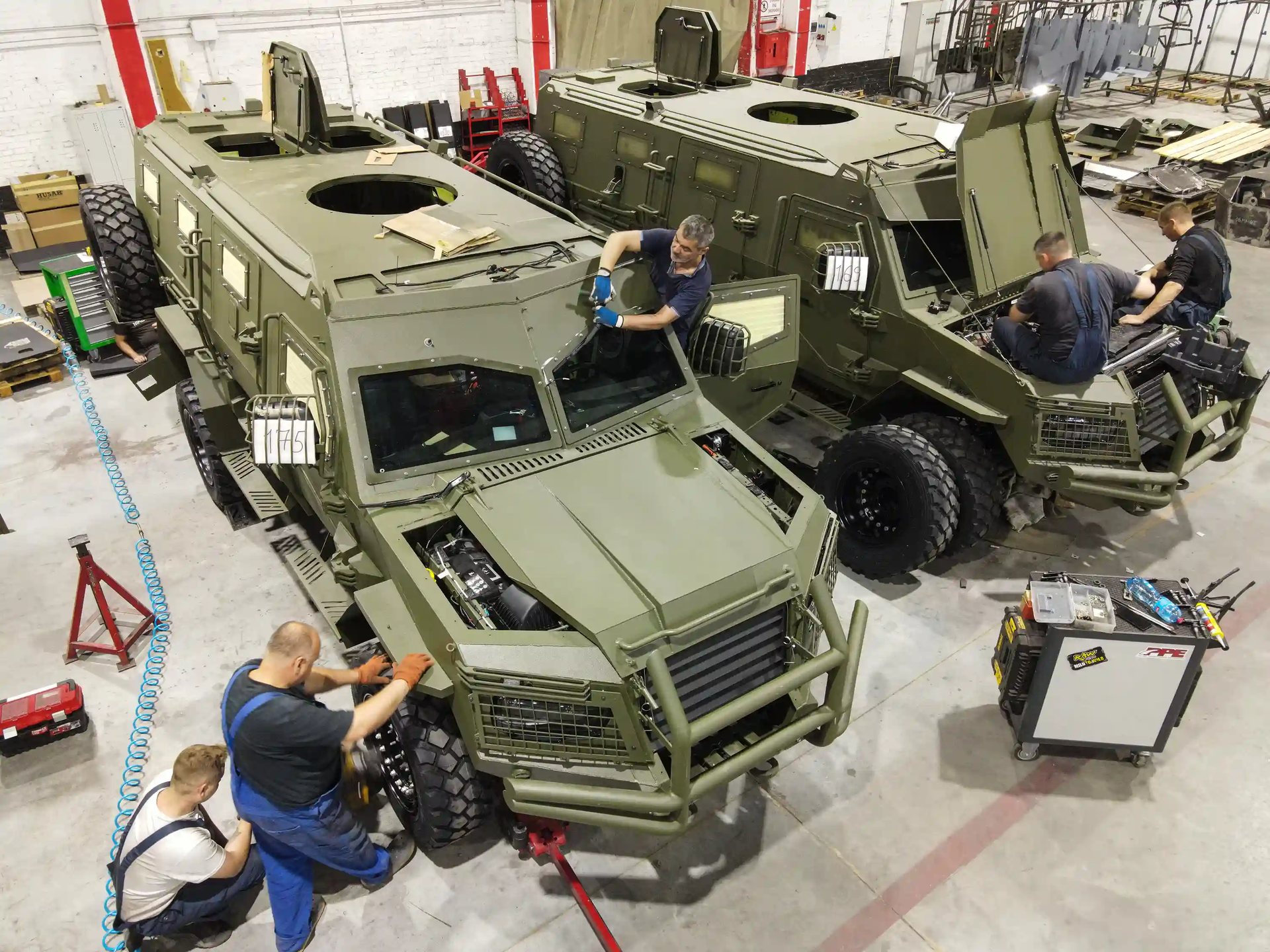
Work on a new product starts with analyzing military needs. Next come design and engineering, prototyping, testing, refinement, codification and preparation for serial production.
The cycle does not end at series launch. The company provides quality control, maintenance, repair and upgrades for its products.
Cycle stages
Work begins with studying soldiers' tasks and requests.
Design and engineering by in-house teams.
Building a prototype vehicle.
Prototype testing and design refinement.
Codification and preparation for serial production.
Vehicles built on the company's own production lines.
Quality control of every vehicle after series launch.
Maintenance, repair and upgrades, including in the field.
People and the engineering school
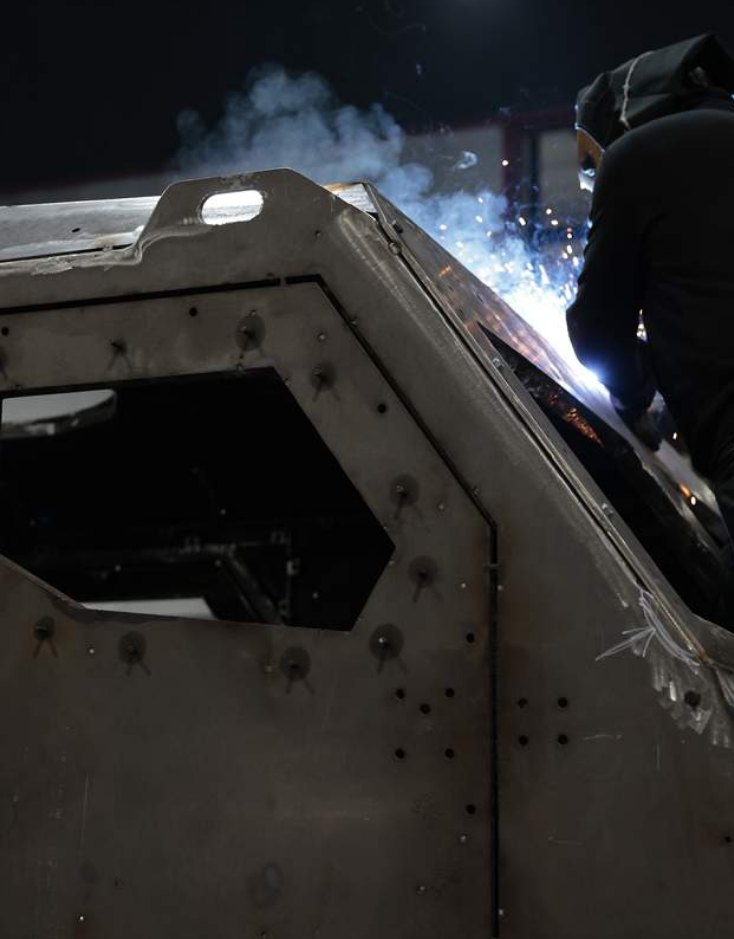
UKR ARMO TECH plants have their own engineering and design teams, production lines and an in-house training system. New specialists learn hands-on on the shop floor under experienced mentors.
The company puts particular emphasis on welding skills, technical education and building its own engineering school.
UKR ARMO TECH Armored Vehicles in Ukraine's Defense Forces
UKR ARMO TECH fulfils state defense contracts for Ukraine's Ministry of Defense, the National Guard and other Security and Defense Forces units, and also handles requests from individual military and special units.
The total number of UKR ARMO TECH vehicles in service with the military runs into the thousands.
Feedback from soldiers drives product development and the next versions of each vehicle. The manufacturer also maintains and repairs its vehicles; mobile repair crews carry out part of this work directly in the field.
Customers